How to Personalise a Handmade Gift Without Ruining It
Personalisation is what turns a well-made bowl into the bowl someone reaches for every morning, because their name is on the base. It is also the fastest way to ruin a gift. A misspelt name, an initial set too low, a line of text crammed into a space that was never going to hold it — all permanent, all visible, all difficult to explain away. The answer is not to avoid personalisation but to match the method to the material, and to accept that some objects simply should not be engraved.
Start With the Maker and the Material
Before you decide on wording, find out what the piece can take. A potter knows whether a glaze will pool around incised lettering. A woodworker knows whether the rim of a bowl is thick enough to carve. A jeweller knows how a hand-cut line behaves on a curved surface. Ask the person who made it — they will usually tell you plainly, and most would rather discuss it than watch a piece go wrong.
Finish matters as much as material. Oiled or waxed wood takes pyrography and carving warmly, the fresh cut blending into the surface over time. A lacquered or varnished surface is far less forgiving: cut through the finish and you leave a pale, flat scar that will never quite match. Unglazed stoneware can be carved before firing, but once it is glazed and fired, you are etching glass-hard material rather than shaping clay.
Where the mark sits matters too. On a mug, the natural place is the face opposite the handle, where the drinker sees it. On a chopping board, the underside keeps it out of the knife's way. On a pendant, consider which way it turns when worn. These are small decisions, but they are the difference between a detail someone notices in the first minute and one they find months later and love.
Ask first, cut second. Ten minutes with a pencil beats a lifetime with a spelling mistake.
Engraving, Etching and Pyrography
These are the permanent options, and they reward restraint. A single initial, a date, two or three words — that is usually plenty. Long quotations force the lettering to shrink, and fine lettering on a curved or textured surface can blur or vanish entirely.
On wood
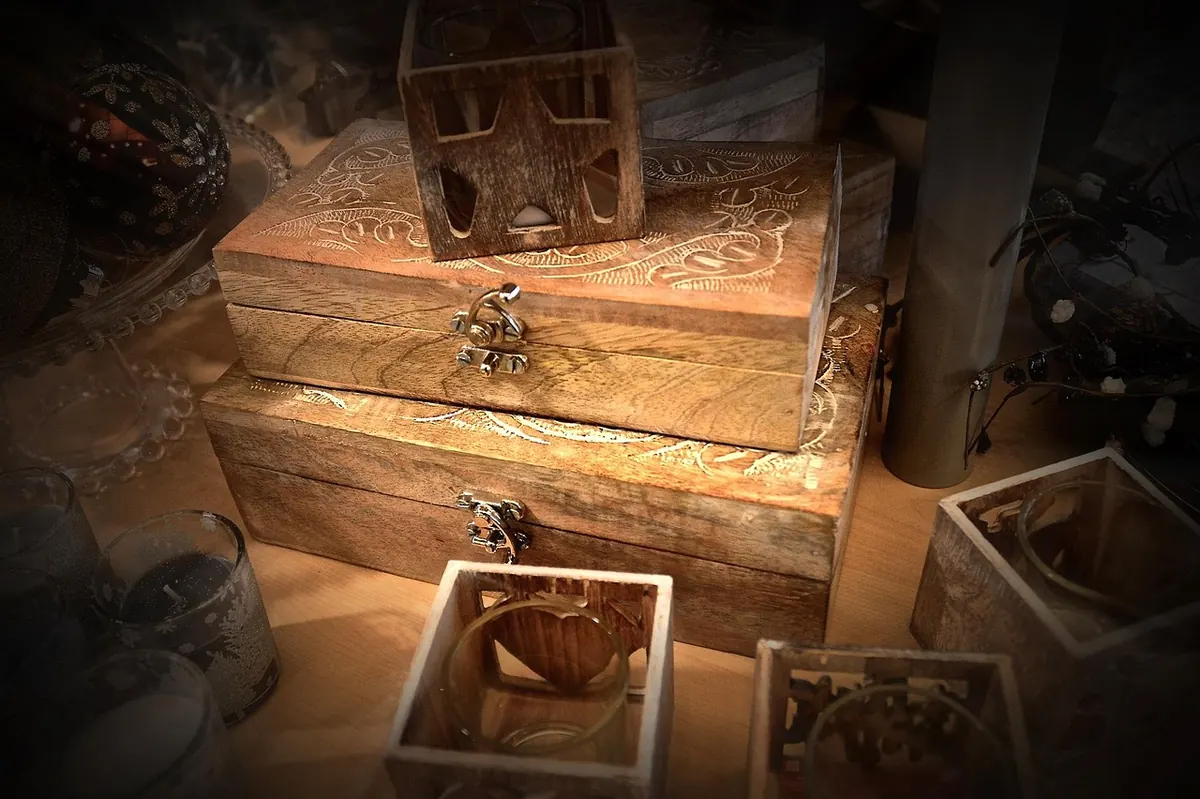
Hand carving and pyrography suit close-grained timbers such as oak, cherry and walnut; open-grained or very soft woods can tear. If the piece is valuable, ask for a test on an offcut first, and check where the grain runs — a mark cut across the grain reads differently from one cut along it.
On glass and ceramic
Sandblasting and acid etching give a soft frosted finish that suits initials and simple motifs. Fine detail works better than dense blocks of text. Deep carving on a thin-walled vessel is best avoided; the wall can be weakened and the piece becomes fragile in daily use.
On metal
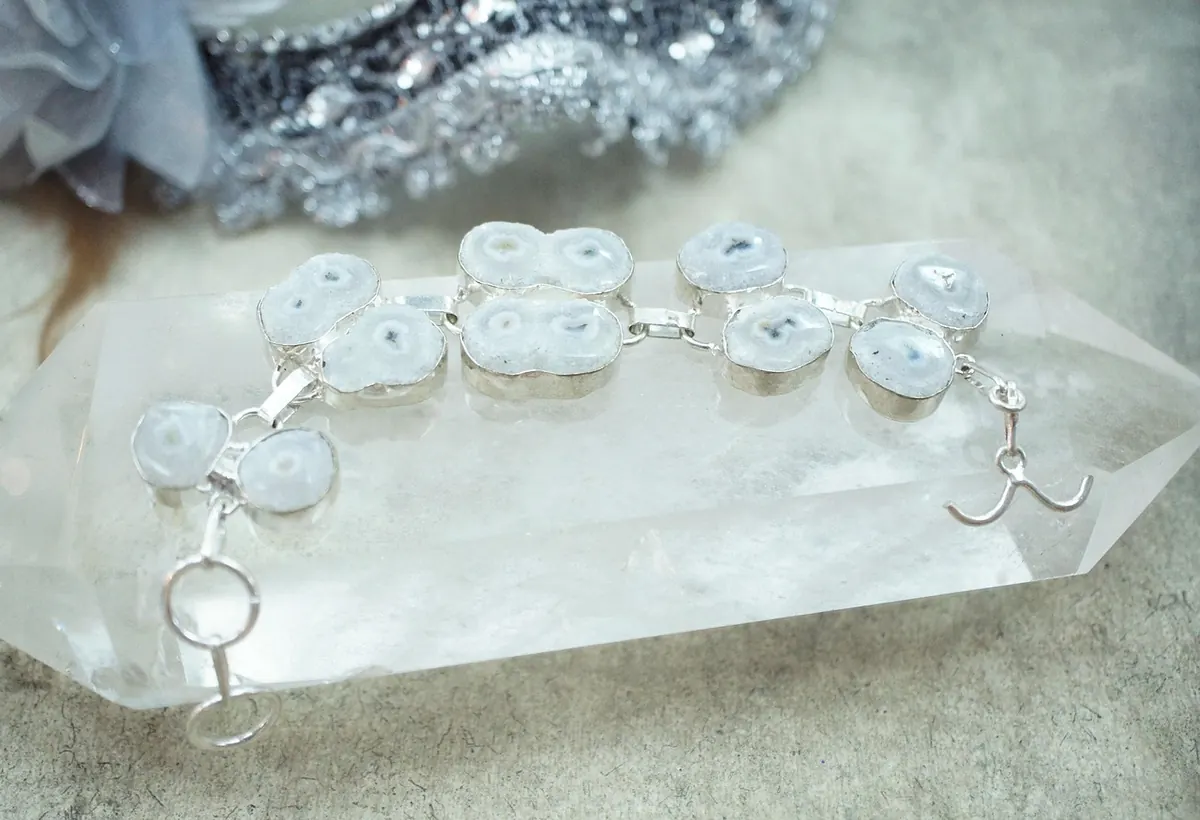
Hand engraving cuts a bright line with real depth; machine engraving is cleaner and more uniform. On softer metals such as silver, lettering wears with handling — charming on a keepsake, less so on something worn every day. On plated items, cutting too deep can expose the base metal underneath.
Embroidery and Stitched Details
Fabric forgives more than wood, but it still has rules. Keep stitching away from seams, hems and anywhere the garment stretches, or the work will pucker. On knitwear, a light backing keeps the stitches from pulling through; on quilts, place lettering inside the quilting lines so it does not fight the pattern.
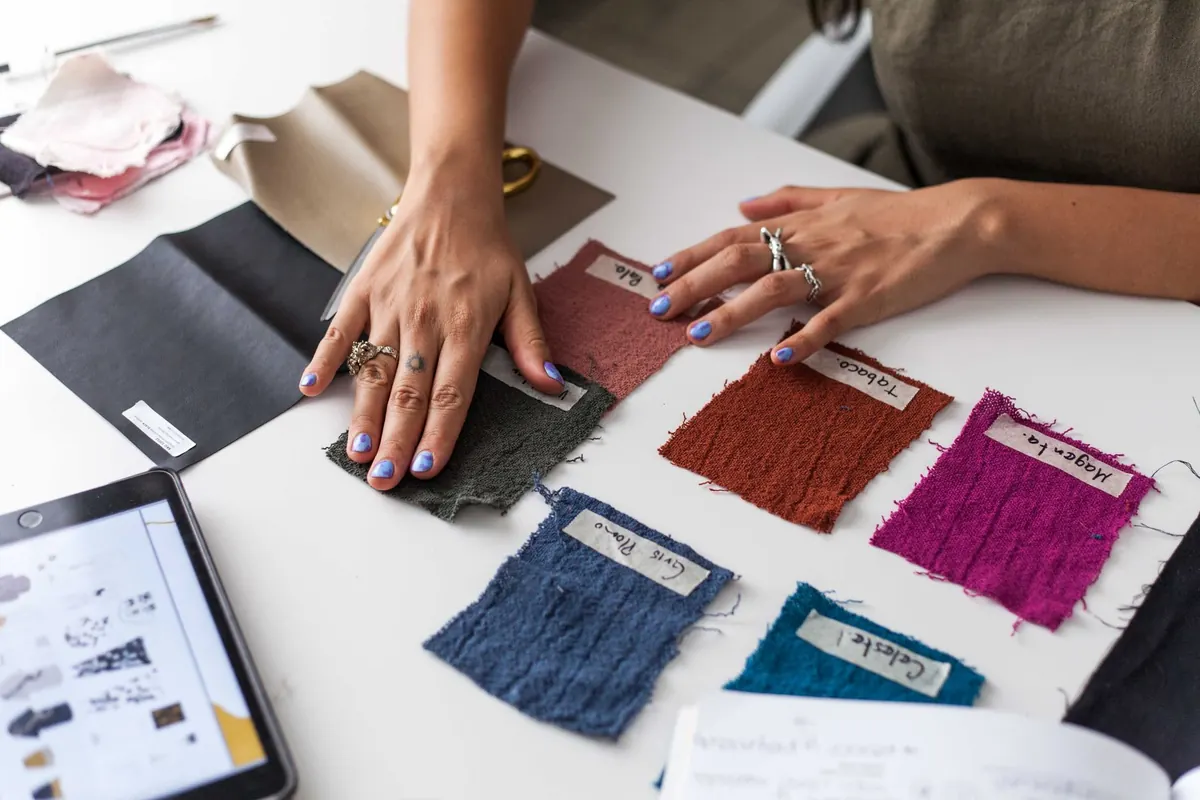
Test the thread on a scrap of the same cloth first. Threads and fabrics shrink at different rates, so if the item will be washed, wash the thread before you use it. Think about placement the way a tailor would: a monogram traditionally sits on a shirt cuff or the left chest, at a size that reads as a quiet detail rather than a badge. For babies and very young children, flat embroidery is a safer bet than anything stitched on as a separate piece, since small attached charms and beads can work loose.
Tags, Labels and Ribbons: Personalisation You Can Undo
Not every gift needs a mark cut into it. A handwritten tag, a stamped leather label, a printed ribbon or a card tucked inside all do the same emotional work while leaving the object untouched. This is the sensible choice when you are buying a surprise and cannot check details, when the recipient's taste is uncertain, or when the piece might one day be passed on to someone else.
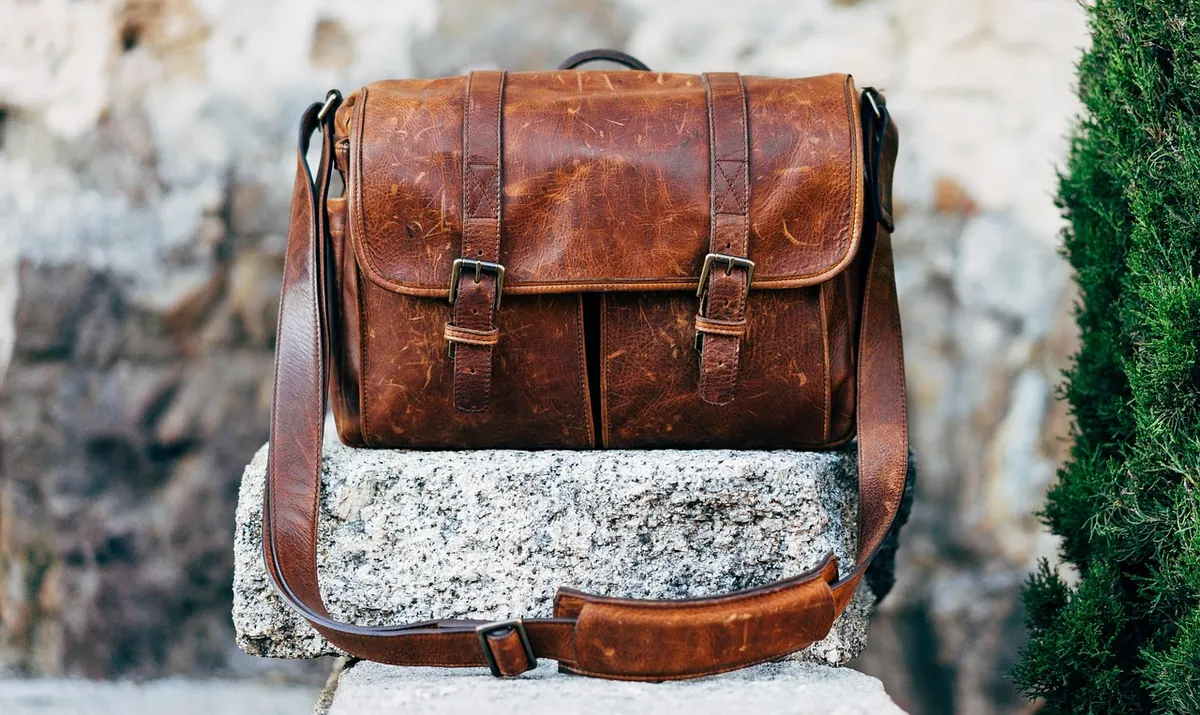
A brass tag can be unscrewed from a bag strap. A fabric label can be unpicked. A ribbon can be kept or discarded without consequence. If you do write by hand, use a fine pigment liner rather than a ballpoint on kraft paper or card — it sits on the surface instead of sinking in, and it will not fade to grey within a year.
Mistakes That Turn a Keepsake Into a Regret
- Personalising something you have not seen in person. Colour, scale and grain all shift between a screen and a workbench.
- Choosing a permanent method for a joke. Funny this year, awkward in five.
- Using more text than the object can hold. If in doubt, cut it in half and look again.
- Ignoring the grain, the glaze or the weave. A mark that fights the material looks like a mistake even when it is spelled correctly.
- Placing lettering where hands, knives or washing will find it. Wear is charming on a tool, less so on a name.
- Sending the wording in a rush. Type it, then read it aloud and backwards, letter by letter.
- Assuming a maker will redo it free of charge. Once a piece is cut, it is often gone; ask about their policy before you commit.
Before You Commit: A Short Checklist
- Ask the maker what the material will take, and what they would avoid.
- Write the wording out, read it aloud, then read it backwards.
- Settle size and placement with a pencil sketch or a paper template held against the piece.
- Check that the finish — oil, lacquer, glaze, plate — can survive the method you have chosen.
- Confirm what happens if the result is not what you expected.
- Note the wording and the date for your own records.
The best personalised gifts are rarely the most elaborate. A single initial on the base of a bowl, a name stitched inside a collar, a tag tied with good ribbon — these read as care rather than decoration. Choose the gentlest method that will do the job, leave space around the mark, and let the made thing stay the star.
Photo: PIRO4D / Pixabay