The Raven Works Christmas Gift Guide for Artisan Craft Lovers
Buying for someone who loves handmade things should be the easy part. They have told you, repeatedly, that they would rather have one good mug than six ordinary ones. The difficulty is that craft is personal, and the wrong hand-thrown bowl lands with a thud.
What follows is a guide to buying well across the four areas craft lovers tend to collect — jewellery, homeware, prints and accessories — with notes on where the money is best spent at each budget band, and the small practical details that turn a nice object into a gift someone actually uses.
Start with what they already own
Ten minutes of quiet research beats an hour of scrolling. Look at the shelf, the mantelpiece, the dish by the kitchen sink. Craft collectors are rarely subtle about their taste. If the kitchen is full of speckled stoneware in oatmeal and cream, a bright cobalt jug is a gamble; a second bowl in the same glaze is a gift. If they wear the same silver hoops every day, a slightly larger, lightly hammered pair in the same metal will get worn.
Makers' markets and studio open days are worth a November trip, because you can pick things up and ask the questions a product page never answers.
- Is this a one-off, or part of a repeatable range?
- Is it dishwasher safe, ovenproof, food safe, or hand wash only?
- What is the lead time if I order today?
- Can you repair or refurbish your own work later?
- How should it be cared for? Silver, leather, wool and bare wood all want different things.
Write the answers down before you forget them, and check the returns policy before you commit.
Small gifts and stocking fillers
The lower end of the market is where craft buying gets genuinely enjoyable, because you can support three or four makers for the price of one big piece. Hand-printed cards, small ceramic dishes for rings and spoons, beeswax candles, woven decorations, a lino print the size of a postcard, a keyring cut from an old brass ruler.
Two useful rules. Buy in pairs where you can: two small dishes sit better on a bedside table than one, and two matching tumblers get used where a single odd one gathers dust. Then favour things that get consumed. Handmade soap, a tin of loose-leaf tea or a candle that smells of something specific will be used up and enjoyed, which is more than can be said for a novelty mug.
Jewellery: the safest bet, if you get the details right
Everyday pieces
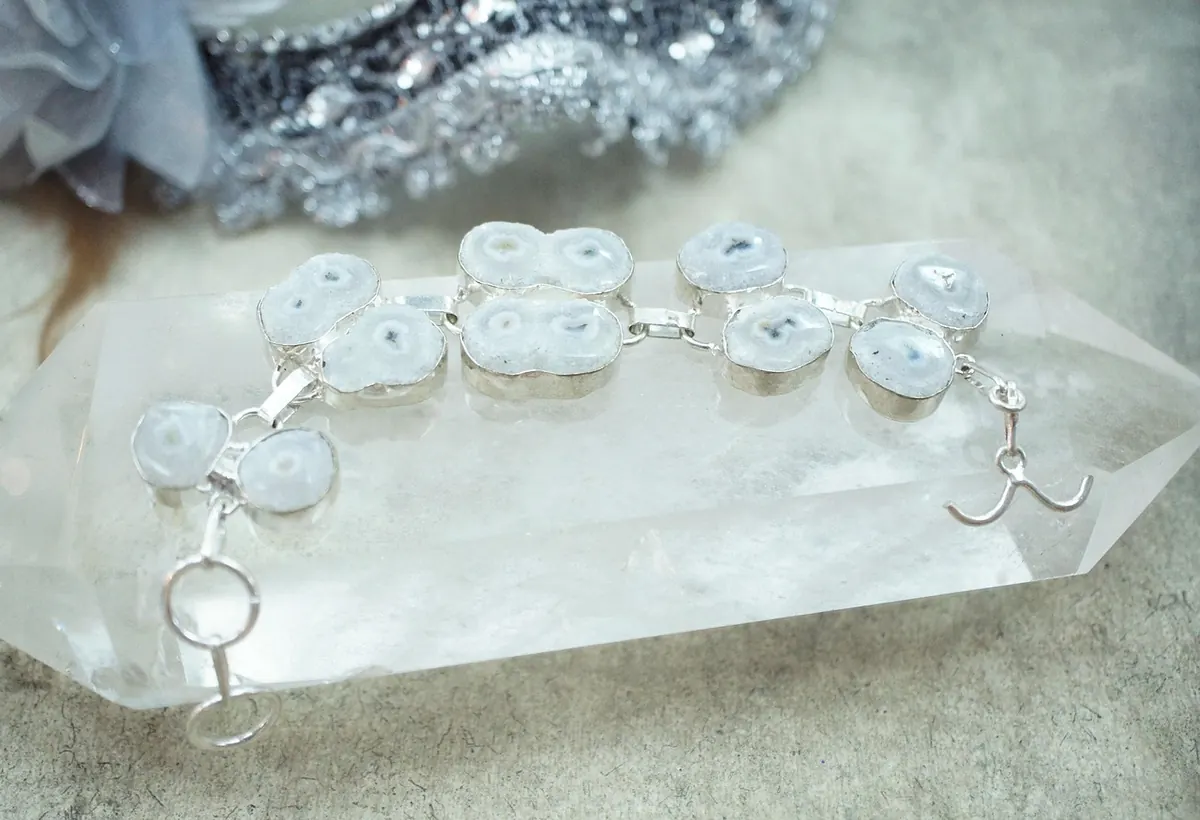
Silver studs, fine hoops, a slim bangle, a pendant on a short chain. These are the pieces people reach for without thinking, and they are forgiving to buy for. In the UK, most items above a small weight in silver, gold, platinum and palladium must carry an assay office hallmark, so check the inside of a bangle: it tells you the metal and its purity, and it is a reasonable sign you are buying from someone working properly.
Statement pieces
If you are spending serious money, buy one bold thing rather than three cautious ones. Look at what metal they already wear and stay in that family — most people settle on silver or gold and rarely mix. Stones are harder to guess than metal, so if in doubt, buy texture. Hammered, brushed, oxidised and cast-from-nature surfaces photograph badly online and look wonderful in person.
Sizing and care
For rings, borrow one they wear on the correct finger and take it to a jeweller rather than guessing. Check for nickel sensitivity before buying cheap earrings, and tuck a polishing cloth in with the box — silver tarnishes, and a small cloth is the difference between a gift that stays in a drawer and one that stays on.
Homeware: things used on a Tuesday
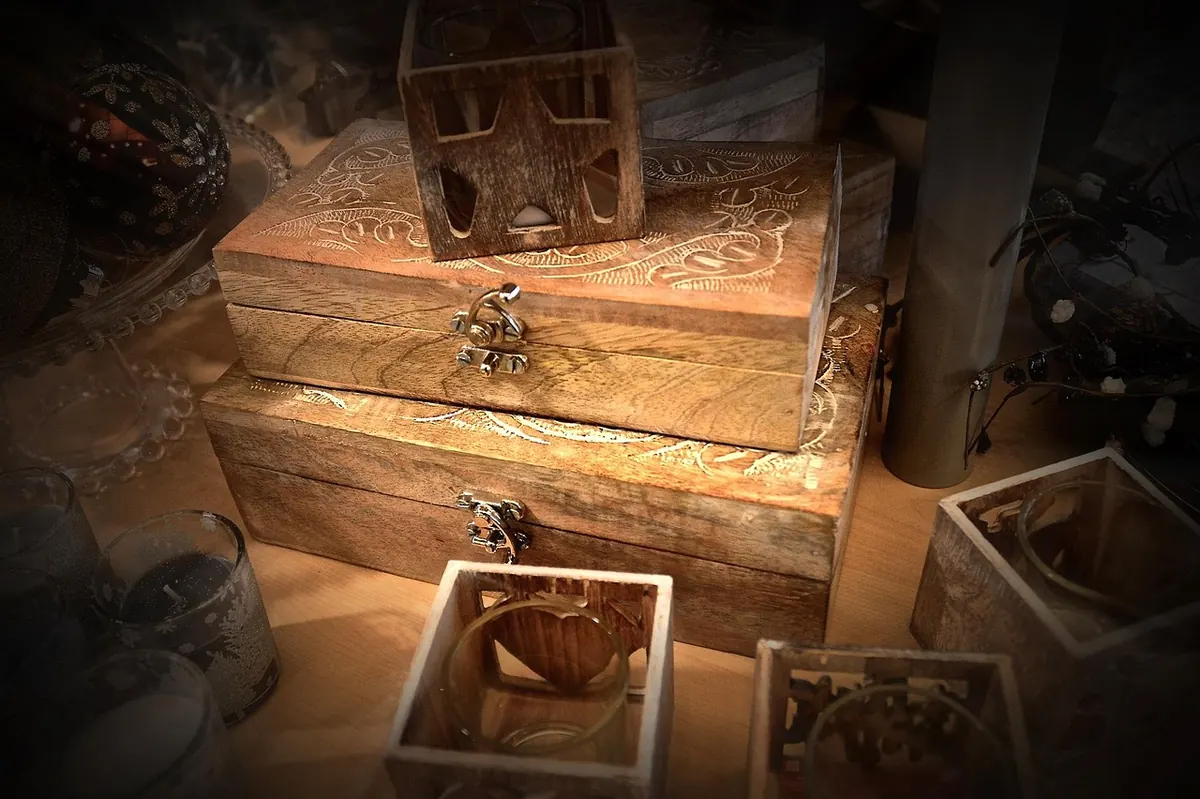
The test for homeware is simple: will it be used on an ordinary weekday? A wool throw, a pair of linen tea towels, a wooden board, four matching tumblers, a woven basket for the hallway. These are the gifts that quietly become part of a household.
Two checks before you buy. Measure the space — a board that overhangs the worktop is a nuisance, and a throw too small to wrap around someone is a lap blanket at best. Then ask about aftercare. Bare wood wants oiling, some glazes want hand washing, and some natural dyes fade in direct sun. None of that is a reason to walk away; it is information worth passing on with the gift.
Prints and original work
Buying art for someone else is easier than it sounds if you stay with subject matter they already like: the coast they walk, the bird they point out, the city they left. Ask whether the piece is a screenprint, linocut, risograph or giclée, and whether it is signed and numbered from a limited run. A numbered edition of thirty is a different object from an open-run reproduction.
One genuinely useful tip: choose a size that matches a standard frame, such as A3 or 30 by 40 centimetres. Framing costs drop when the framer does not have to cut a mount to an awkward measurement. If you are gifting unframed, say so cheerfully and offer to cover the framing later.
Accessories worth the money
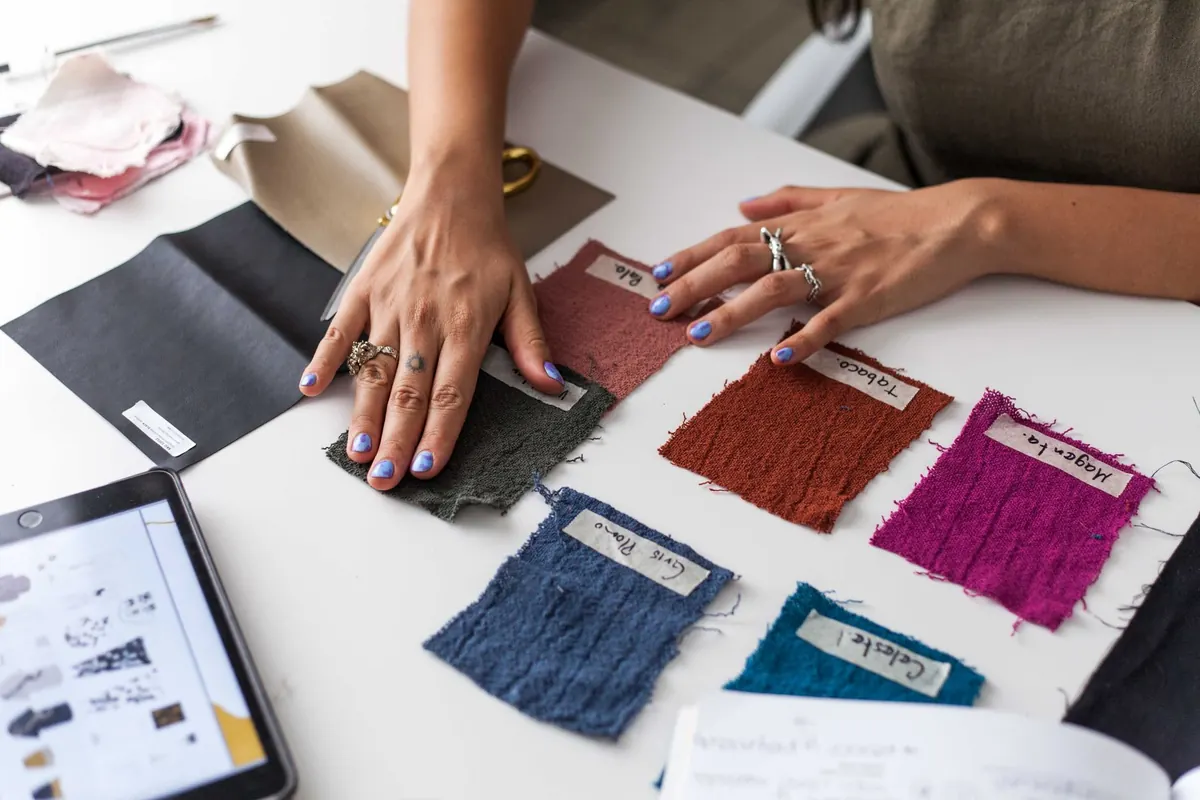
Leather goods are where craft buying pays off most obviously over the years. On a hand-stitched card holder, belt or notebook cover, look at the edges of the leather, which should be sealed and smooth rather than raw; the stitching, which should be even and tight; and the hardware, which should feel solid. For a belt, measure an existing one from the fold of the buckle to the hole they actually use, not their trouser size.
In wool, a lambswool scarf, lined gloves or a knitted hat will be worn all winter. Look for makers who offer repairs, resoling or reknitting. That service is the clearest sign you are buying something built to last rather than something built to sell.
A practical plan for the last few weeks
Most craft businesses are one or two people. That is the whole appeal, and it is also why December goes wrong.
- Set a budget per person and decide on one main gift plus one small thing, rather than five middling ones.
- Order earlier than feels necessary. Lead times stretch through November, and commission books are usually closed well before December.
- Check the carrier's published last posting dates before you promise anything, and ask whether the maker
Photo: blickpixel / Pixabay